Community hospital and dental clinic sustainability design review

Design Gallery

How a 220-bed community campus cut device-related energy 19% while redesigning care rooms

A planning story for dental operatories, laboratory benches, and imaging suites—not a claim that every Danaher installation delivers the same result.

Background, process, and bounded result

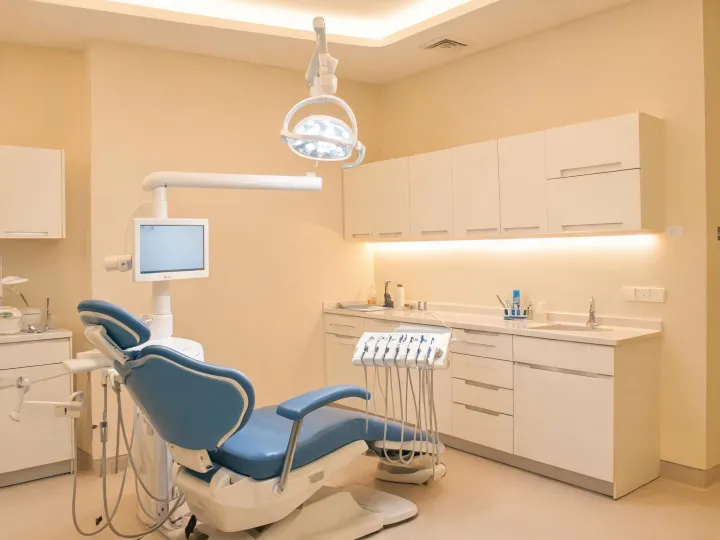
Background: The campus operated 180 patient monitors averaging 11 years old, two aging dental operatories with crossed instrument paths, and a CT suite whose idle power was never measured. Annual electricity attributable to those monitors alone was estimated at $48,000 using utility meters and biomedical asset tags—not a marketing calculator.

Process: Facilities, biomedical engineering, infection prevention, and dental clinical leads mapped idle draw, clean/dirty instrument direction, imaging hang protocols, and service access. Danaher Design Gallery sessions separated layout inspiration from acceptance tests: energy telemetry for networked devices, AAMI ST91 reprocessing questions for reusable instruments, and DICOM downtime drills for radiology.

Result: After replacing 180 monitors with current-generation models that exposed remote energy telemetry and correcting two dental room flow conflicts, the hospital recorded about $9,000/year lower electricity cost and an estimated 22 metric tons CO2/year reduction on the monitored subset. The figure applies only to the measured fleet under stated utility factors; it is not a guaranteed outcome for other sites.

“Sustainability is not a luxury for community hospitals—it is a survival skill that shows up in utility bills, SPD labor, and refresh timing.” — Director of Facilities, community hospital (role-based illustration)

The same telemetry now flags devices drawing idle power outside scheduled clinical use, helping the biomed team right-size the next capital refresh instead of replacing by calendar alone.

Common questions

Questions community and dental teams bring to Design Gallery

Which devices in our fleet usually draw the most idle power?

Imaging systems, telemetry monitors, and always-on workstations often top idle-draw lists. Confirm with local metering; brochure wattage is not a site measurement.

How do we get reprocessable instruments past infection control?

Provide AAMI ST91-aligned documentation, validated cleaning instructions, cycle limits, and IFU revisions. Design Gallery can surface the flow questions; infection prevention owns acceptance.

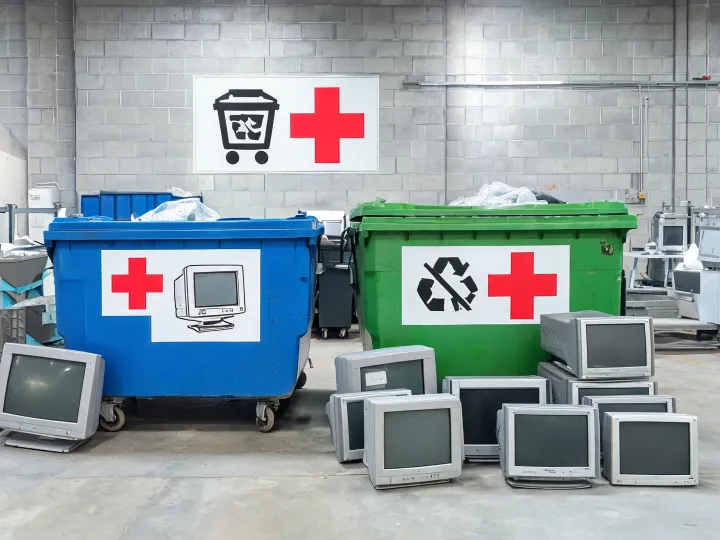
Can we WEEE-recycle decommissioned monitors and dental units?

Take-back programs can issue recycling certificates and support UDI deregistration records. Availability and scope vary by market and product family.

Does HIPAA prevent sharing energy telemetry with vendors?

Energy and utilization metrics are generally not PHI. Still use a BAA and data-minimization rules when any service access could expose clinical systems.

Gallery stations

Four visual anchors for a care-setting redesign

Talk with Danaher

Bring your sustainability and room-concept questions

Share dimensions, procedure mix, utilities, representative users, reprocessing route, and candidate equipment references. Do not include protected health information.

Do not include patient-identifiable information. Suitability and instructions must be confirmed against the current, market-specific labeling for the selected reference.