
Name the exact reference
Record commercial name, catalog number, UDI-DI or GTIN, manufacturing site, and the current IFU revision before comparing claims.
Dental · diagnostics · imaging selection
Compare Dental & Oral Health Equipment, In-Vitro Diagnostics & Laboratory Equipment, and Medical Imaging & Diagnostic Systems through care-setting questions—not brochure slogans.
Care settings
The same product family can face different training, reprocessing, network, and documentation constraints across dental practices, laboratories, imaging suites, and hospitals.
Selection controls
Danaher frames each inquiry as a reviewable decision package for value-analysis and biomedical teams.
Record commercial name, catalog number, UDI-DI or GTIN, manufacturing site, and the current IFU revision before comparing claims.
Define users, patient-contact profile, procedure mix, reprocessing route, and whether the device is single-use, reusable, or networked.
Request peer-reviewed or RWE summaries with study design, N, follow-up, and limitations—plus CER / PMS context where applicable.
Confirm DICOM SOP classes, HL7 v2 / FHIR observation flows, identity matching, downtime behavior, and cybersecurity documentation (SBOM, MDS²).
Model 7–10 year total cost of ownership with service tiers, parts lead time, loaner coverage, training credits, and decommissioning.
Anonymous role perspectives
These are role-based perspectives used in selection workshops—not endorsed hospital testimonials.
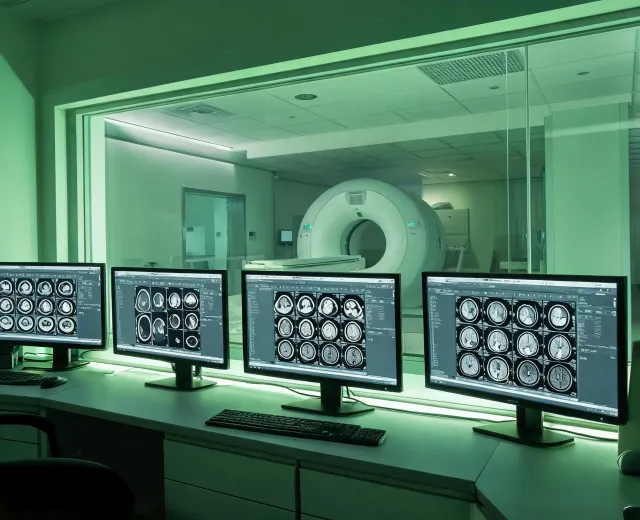
“We will not shortlist an imaging platform until DICOM worklist, dose reporting, and PACS reconciliation are proven in our test environment.”

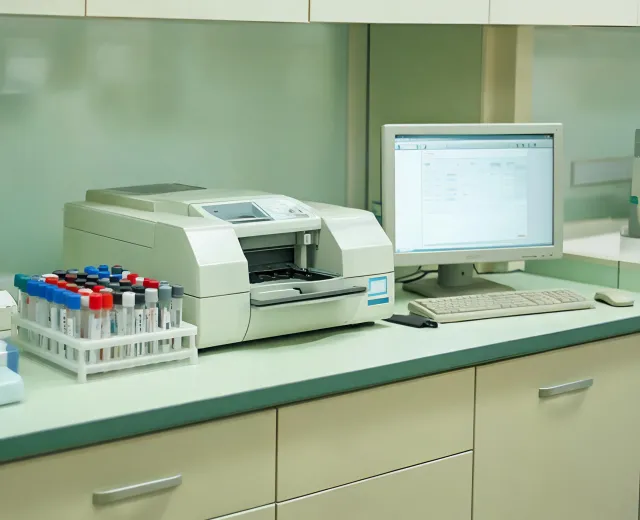
“For chemistry analyzers, coefficient of variation, carryover, and LIS exception handling matter more than brochure throughput numbers.”

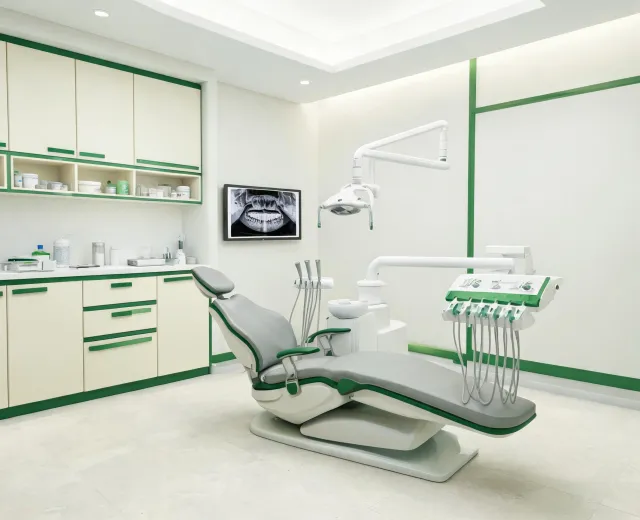
“Dental room concepts fail when transfer clearance and reprocessing direction are treated as furniture decisions.”

Common questions
No. Many devices follow a 510(k) clearance pathway and should be described as FDA cleared when that is the applicable route. PMA products are the exception. Always confirm the specific reference and market dossier.
Central labs can favor automation, QC consolidation, and menu breadth; point-of-care can shorten decision time by removing transport. Neither is universally superior—document volume, operator competency, connectivity, and clinical cost of delay.
Ask for DICOM SOP classes, modality worklist, dose structured reports, PACS/VNA behavior, cybersecurity documentation, and downtime recovery. Label claims alone do not prove site integration.
Yes as a planning exercise. The Design Gallery helps surface clearance, clean/dirty flow, and service access questions, but final dimensions must come from product documentation, local code, and facility engineering.
Define response tiers, MTTR targets, parts depot coverage, loaner rules, software patch ownership, and validation responsibilities. Treat brochure uptime percentages as unverified until they are contractual.
Not by default. This site uses anonymized roles and facility types unless written authorization exists. Procurement decisions should rely on documentation and local verification.
Next step
We will route the request to product documentation, service scoping, or a Design Gallery consultation—without collecting patient identifiers.
Speak to a clinical specialist